Enhancing Your Food Photography with Camera Filters
Category : fmount |
Sub Category : fmount Posted on 2023-10-30 21:24:53
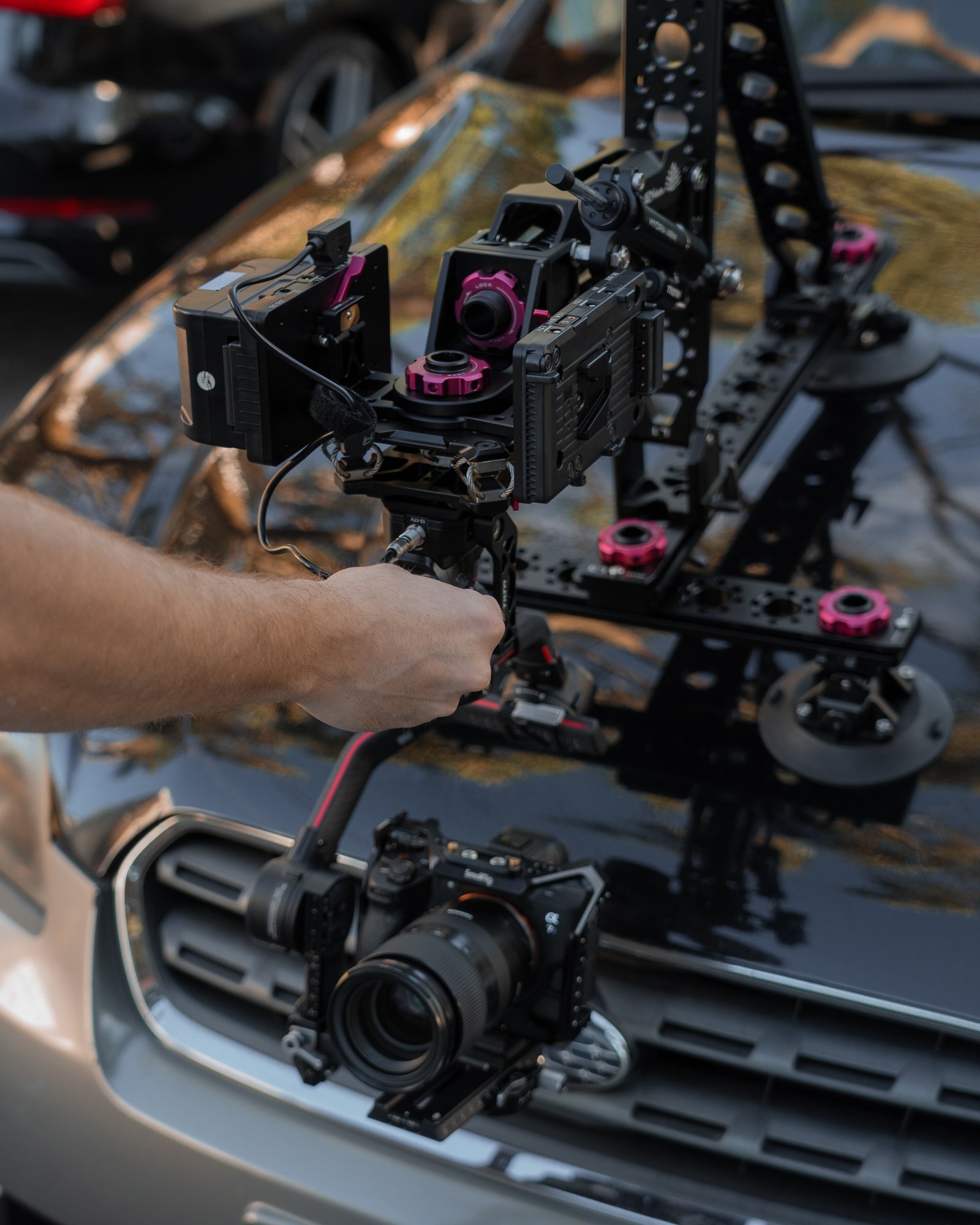
Introduction: In today's visually driven world, food photography has gained immense popularity, thanks to social media platforms like Instagram. Capturing and sharing mouth-watering food pictures has become an art form in itself. While having a good camera and skills are crucial, one often overlooks the significance of camera filters. In this article, we will explore how camera filters can take your food photography to the next level, helping you capture stunning images with vibrant colors and professional-looking effects. 1. Understanding Camera Filters: Before we dive into the world of food photography, let's quickly brush up on the basics. Camera filters are optical elements that are placed in front of the lens to alter the image captured. They come in various types, including polarizing filters, neutral density filters, graduated filters, and color filters. Each filter serves a unique purpose and can drastically change the look and feel of your food photographs. 2. Polarizing Filters: Enhancing Clarity and Reducing Glare One of the most useful filters for food photography is the polarizing filter. It helps reduce glare from shiny surfaces, making your food appear more appetizing. Polarizing filters also enhance color saturation and contrast, resulting in vibrant and captivating images. Whether you're shooting outdoors or in a well-lit studio, a polarizing filter can make a significant difference. 3. Neutral Density Filters: Controlling Exposure and Depth of Field Neutral density (ND) filters are particularly handy when shooting under bright lighting conditions. These filters reduce the amount of light that enters your camera, allowing you to use wider apertures to achieve a shallow depth of field. This is especially useful when you want to highlight a particular element in your food composition while gently blurring the background, creating a visually appealing bokeh effect. 4. Graduated Filters: Balancing Exposure in Difficult Lighting Situations Food photography often involves shooting under challenging lighting conditions, such as strong backlighting or high contrast situations. Graduated filters help you balance exposure and retain details in both the highlights and shadows. These filters have a gradual transition from clear to dark and can fix overexposed skies or underexposed foregrounds, resulting in a more balanced and professional-looking food photograph. 5. Color Filters: Adding Drama and Expression Adding color filters to your food photography arsenal can elevate your images to new heights. These filters allow you to manipulate the color temperature of your photographs, adding warmth or coolness to your final images. Experimenting with different color filters enables you to create a unique mood or atmosphere that complements the dish you're photographing. Conclusion: Camera filters are often overlooked but can make a remarkable difference in the quality of your food photography. Whether you're looking to enhance colors, reduce glare, control exposure, or add a touch of drama to your images, incorporating camera filters into your repertoire is a worthwhile investment. Experiment with different filters and let your creativity shine through. Remember, each filter serves a specific purpose, so familiarize yourself with their capabilities to achieve the desired effect. By mastering the art of utilizing camera filters, you'll capture drool-worthy food photographs that will stand out among the sea of culinary visuals on social media platforms. To see the full details, click on: http://www.deleci.com You can find more about this subject in http://www.eatnaturals.com To find answers, navigate to http://www.mimidate.com


